
The Impact of Human-Centric Architecture on Behavior and Experience
Explore how thoughtful architecture shapes human behavior and enhances daily life. This blog delves into human-centric design principles, showing how natural light, spatial layouts, materials, and circulation influence mood, productivity, and social interaction. Learn how Ideaform Design Studio, one of the best architects in Indore, applies psychology-driven, modern design to create functional, inspiring, and experiential spaces for homes, offices, and public areas.
10/31/20254 min read
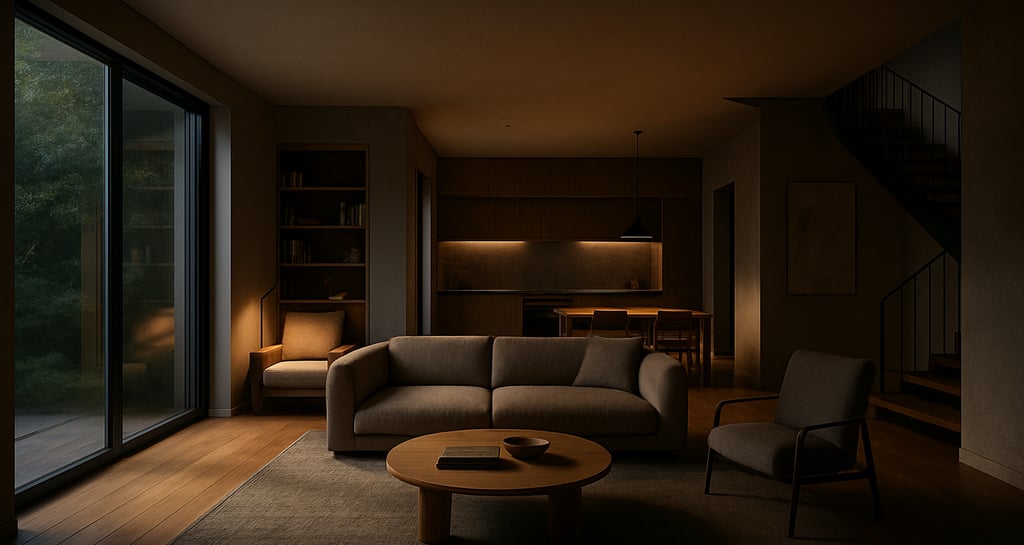

Beyond Aesthetics: How Good Architecture Shapes Human Behavior
Architecture is more than walls and roofs. It shapes how we live, work, and interact. Every space we inhabit influences our mood, behavior, and productivity. Understanding this connection is at the heart of human-centric architecture.
At Ideaform Design Studio, as one of the best architects in Indore, we focus on design that serves people first. Every project is an opportunity to create spaces that function well, feel intuitive, and inspire daily life.
Architectures and Human Behavior: Spaces That Matter
Spaces are not neutral. They influence our behavior in subtle yet significant ways. Understanding how architecture affects human behavior can transform homes, offices, schools, and public spaces.
Open layouts encourage collaboration: In offices, open spaces foster teamwork, brainstorming, and casual interaction. In co-living or communal housing, open areas strengthen social bonds.
Private corners support focus and calm: Quiet zones in libraries, offices, or homes allow users to concentrate or relax without interruption.
Natural light improves mood and energy: Research shows daylight exposure boosts serotonin levels, improves sleep patterns, and increases productivity.
For example, a 2022 peer-reviewed study (Alharbi & Basaad) titled “The Impact of Indoor, Outdoor and Urban Architecture on Human Psychology” found that architectural settings from indoor layouts to urban outdoor spaces have measurable effects on human psychology. That means spaces that work with human behavior can actively support better outcomes.
The Psychology of Architecture: Designing for People
The psychology of architecture examines how the built environment affects our mental and emotional states. Thoughtful design doesn’t just look good; it makes us feel and behave better.
A landmark study, “Walking through Architectural Spaces: The Impact of Interior Forms on Human Brain Dynamics” (Banaei et al., 2017), used EEG and VR to monitor how participants’ brains responded to different interior forms. They found that rooms with curved geometries triggered higher activity in brain areas tied to emotion and pleasure than rooms with straight, linear geometry. This shows that even subtle form changes influence how we feel and behave.
At Ideaform, we apply these insights to every project, ensuring spaces are not just functional but psychologically supportive.
Architectural Design Philosophy: Function First
Our architectural design philosophy is clear: design with purpose. Function and human behavior come before aesthetics.
Homes: A kitchen near social spaces encourages family interaction. Bedrooms positioned away from noise support rest.
Offices: Zones designed for collaboration, focus, or relaxation optimize workflow and comfort.
Public spaces: Parks, plazas, and pathways arranged to encourage walking, gathering, and exploration improve community engagement.
When form follows function and is informed by human behavior, spaces feel natural. People don’t have to adapt to the architecture; the architecture adapts to them.
Design That Inspires Everyday Life
Design that inspires creates spaces that elevate daily routines. Inspiration in architecture comes from how a space supports users without requiring conscious effort.
Movement flow: Well-planned circulation allows people to move naturally and efficiently.
Visual cues: Strategic placement of windows, focal points, and textures directs attention and mood.
Comfortable scale: Proportions that match the human scale make spaces feel approachable, safe, and inviting.
Small adjustments, a bench in a sun-lit corridor, or an open view from a staircase can inspire interaction, reflection, or creativity.
Experiential Architecture: Spaces You Feel
Experiential architecture is about designing for all senses. A building is not just seen; it is felt, heard, and experienced.
Lighting: Daylight and artificial light affect alertness and focus.
Materials: Wood, stone, and fabric textures impact comfort and perception.
Acoustics: Soundscapes influence concentration, privacy, and social interaction.
Spatial proportion: Height, width, and ceiling openness affect perceived freedom and comfort.
By combining these elements thoughtfully, experiential architecture creates memorable, intuitive, and supportive spaces.
Modern Architecture Design for the Human Experience
Modern architectural design is not just about clean lines or trends. It’s about creating adaptable, functional spaces that respond to real human needs.
Principles of modern, human-centric design:
Flexibility: Rooms that can be reconfigured for multiple purposes reduce stress and increase satisfaction.
Sustainability: Energy-efficient systems and materials improve comfort while reducing environmental impact.
Integration with daily life: Placement of spaces, furniture, and utilities should align with natural routines.
Accessibility: Inclusive design ensures spaces work for people of all ages and abilities.
At Ideaform, we combine modern architectural design with insights from the psychology of architecture to ensure spaces function seamlessly while feeling human.
Human-Centric Architecture: The Core of What We Do
Human-centric architecture prioritizes how people interact with space. It’s about creating environments that:
Support mental and physical well-being.
Encourage social interaction where appropriate.
Provide comfort, safety, and efficiency.
At Ideaform Design Studio, we apply these principles to all our projects, whether residential, commercial, or public. Every design decision prioritizes the user, from circulation paths to materials and lighting.
Practical Takeaways for Homeowners and Designers
Observe how people use space: Before designing, note how occupants move, gather, and interact.
Prioritize light and air: Natural daylight and ventilation influence mood and health more than most realize.
Create flexible zones: Spaces that can adapt to changing needs enhance longevity and usability.
Incorporate sensory elements: Texture, acoustics, and light create experiences, not just visual appeal.
Think scale and proportion: Spaces should match human size and behavior for comfort and usability.
Ground design decisions in research: Studies show architecture’s measurable impact on human behavior.
Conclusion: Spaces Designed Around People
When architecture prioritizes people, every space becomes not just functional, but purposeful, supporting how we live, work, and connect. At Ideaform Design Studio, as the of the best architects in Indore, we combine modern architectural design with a deep understanding of how architecture affects human behavior to create human-centric architecture that enhances daily life.
Connect with Ideaform Design Studio
Indore
99930 24999
www.ideaformdesign.com
Follow us
Studio
hello@ideaformdesignstudio.com
+91 99930 24999
Contact us
Copyright © 2026 Ideaformdesignstudio. All Rights Reserved |Development & Digital Marketing ❤️ by 10XD
architectural firm in indore | top architecture firm in indore | top architect firm in indore |top architect in indore | architecture company in indore | best architectural firm in indore |best architects in indore | architects in indore madhya pradesh | famous architect in indore |indore best architect | best architect for home design | best residential architect | award winning residential architect | best residential architecture firm | architects for residential homes |residential architect services | best home architect | home builders | residential architecture firm |architects for commercial buildings | architect commercial building | commercial building design |best commercial building design | best commercial architects | architects for commercial projects |commercial architectural services | commercial architectural services |township design | landscape architect | residential landscape architect | best landscape designer | best landscape architect | township planner |landscape architect residential | landscape architect firm | landscape designer | airport architect | urban space architects | public place design | best interior designer in indore | indore best interior designers | interior design company in indore interior design firms in indore | top interior designer in indore | interior design company | interior designer in indore | interior design firm best interior design company | best interior designer indore | interior designers residential | home designer and architect | interior design for residential house home designer | residential designers | residential interior design | interior designers for office space | commercial interior designer | corporate interior designer | commercial interior design company | corporate interior design firm