
Top 10 Interior & Commercial Design Mistakes and How to Avoid Them
Discover the top interior and commercial design mistakes and how to avoid them. From smart space planning to sustainable materials, learn how Ideaform creates functional, beautiful, and timeless spaces in Indore that inspire and perform.
10/24/20253 min read
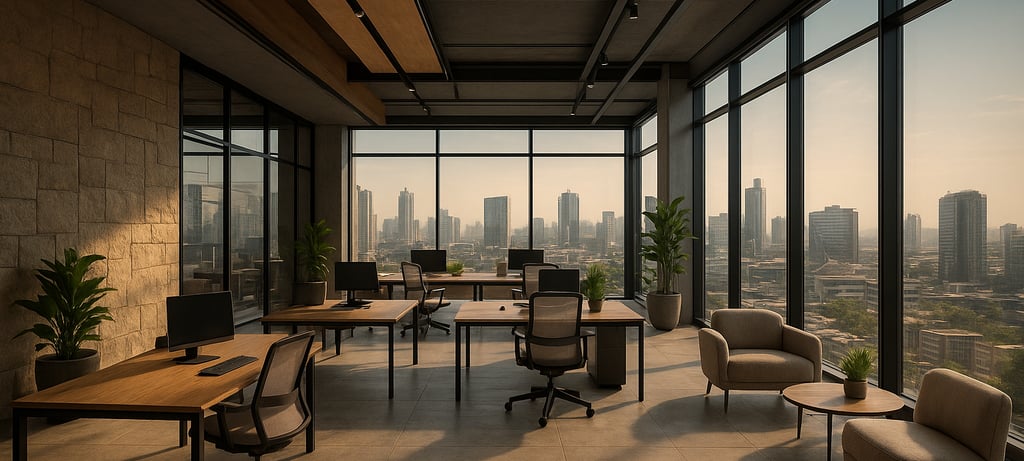
When searching for the best architects in Indore, clients are often looking for more than just attractive spaces. They want interiors and commercial environments that function perfectly, feel welcoming, and stand the test of time. Even the most creative projects can underperform if common mistakes are overlooked. At Ideaform, we have identified the most frequent pitfalls in design and the strategies to avoid them, ensuring every project is both beautiful and functional.
Poor Space Planning
A well-designed space starts with smart planning. Poor layouts such as oversized furniture, narrow pathways, or poorly positioned workstations can make a space feel cramped and uncomfortable, no matter how large it is. Effective space planning considers human movement, natural flow, and activity zones. At Ideaform, we start every project with careful circulation mapping and 3D modeling to ensure that people can navigate and experience the space intuitively. Well-planned spaces not only improve usability but also enhance visual appeal and efficiency.
Ignoring Natural Light
Natural light is one of the most critical elements in design, yet it is often underutilized. Relying solely on artificial lighting or obstructing windows can make spaces feel dark, cold, or uninviting. Thoughtful use of daylight improves mood, increases productivity, and reduces energy costs. By strategically positioning windows, skylights, and reflective surfaces, and by balancing shaded and illuminated zones, Ideaform ensures every space harnesses natural light to its fullest potential. Proper daylighting transforms interiors, making them feel spacious and alive.
Wrong Color Palette
Color has the power to influence perception, emotion, and productivity. Choosing colors solely based on trends or personal preference can result in a space that feels chaotic or mismatched with its intended purpose. Offices need calming neutrals, while retail spaces may call for energy and warmth. Ideaform approaches color with intention, blending psychology, brand identity, and spatial context to create a harmonious and inviting environment in every project.
Overlooking Ergonomics
Aesthetics alone are not enough. When comfort and usability are ignored, even the most visually stunning spaces can frustrate users. Ergonomics ensures that furniture, workstations, seating, and circulation spaces support human posture and activity. At Ideaform, we prioritize ergonomics alongside design, ensuring that chairs, desks, and lounges are not only stylish but also comfortable, functional, and suited for long-term use. Human-centered design elevates both satisfaction and efficiency in commercial and residential projects.
Mismatched Materials and Finishes
Material selection and finishing are key to creating a cohesive, elegant, and visually pleasing space. Using clashing textures, inconsistent gloss levels, or low-quality materials can make interiors feel disorganized. A consistent material story maintains harmony and adds sophistication. Ideaform emphasizes careful coordination of textures, tones, and finishes, ensuring each surface complements the overall design and contributes to a unified sensory experience that feels intentional and high-quality.
Interior Architecture
Interior architecture is more than decorating; it is the art and science of shaping how people experience a space. It considers proportion, scale, light, and flow to create environments that feel balanced and functional. Ideaform approaches every project with a focus on interior architecture, integrating structure, materials, and human experience. The goal is not simply to fill a room but to craft spaces that evoke emotion, improve functionality, and enhance daily life. Well-executed interior architecture makes the difference between spaces that look good and spaces that feel right.
Sustainable Architecture
Sustainability is no longer optional; it is essential. Good design should minimize environmental impact while maximizing efficiency and comfort. Sustainable architecture involves selecting eco-friendly materials, optimizing natural light, implementing energy-efficient systems, and designing for long-term durability. Ideaform incorporates sustainability in every project, from low-VOC paints to passive ventilation and energy-conscious layouts. Sustainable design not only reduces environmental footprint but also creates healthier, more pleasant spaces for occupants, combining responsibility with style.
Architectural Design Services
Architectural design services encompass much more than creating floor plans. True design involves concept development, 3D visualization, material selection, and coordination through construction. Ideaform provides end-to-end services, ensuring that the vision created during the design phase translates seamlessly into reality. From the initial consultation to final execution, every project is carefully managed to preserve design intent, quality, and functionality. Comprehensive design services ensure clients receive spaces that are practical, aesthetically pleasing, and aligned with their goals.
Why Thoughtful Design Matters
Design is not just about decoration; it is about intention and experience. Every choice from layout and materials to color and lighting shapes how people feel and interact with a space. Thoughtful design balances aesthetics, functionality, and human comfort. At Ideaform, we believe every project should reflect purpose, innovation, and emotion, creating environments that inspire and support those who use them. This philosophy has made Ideaform recognized among the best architects in Indore, trusted for delivering meaningful, functional, and beautiful spaces.
Follow us
Studio
hello@ideaformdesignstudio.com
+91 99930 24999
Contact us
Copyright © 2026 Ideaformdesignstudio. All Rights Reserved |Development & Digital Marketing ❤️ by 10XD
architectural firm in indore | top architecture firm in indore | top architect firm in indore |top architect in indore | architecture company in indore | best architectural firm in indore |best architects in indore | architects in indore madhya pradesh | famous architect in indore |indore best architect | best architect for home design | best residential architect | award winning residential architect | best residential architecture firm | architects for residential homes |residential architect services | best home architect | home builders | residential architecture firm |architects for commercial buildings | architect commercial building | commercial building design |best commercial building design | best commercial architects | architects for commercial projects |commercial architectural services | commercial architectural services |township design | landscape architect | residential landscape architect | best landscape designer | best landscape architect | township planner |landscape architect residential | landscape architect firm | landscape designer | airport architect | urban space architects | public place design | best interior designer in indore | indore best interior designers | interior design company in indore interior design firms in indore | top interior designer in indore | interior design company | interior designer in indore | interior design firm best interior design company | best interior designer indore | interior designers residential | home designer and architect | interior design for residential house home designer | residential designers | residential interior design | interior designers for office space | commercial interior designer | corporate interior designer | commercial interior design company | corporate interior design firm