
Township Planner Designing Communities That Truly Work
A skilled township planner does much more than divide land into plots and roads. Township planning is about creating a living ecosystem where homes, green spaces, infrastructure, and
2/11/20263 min read
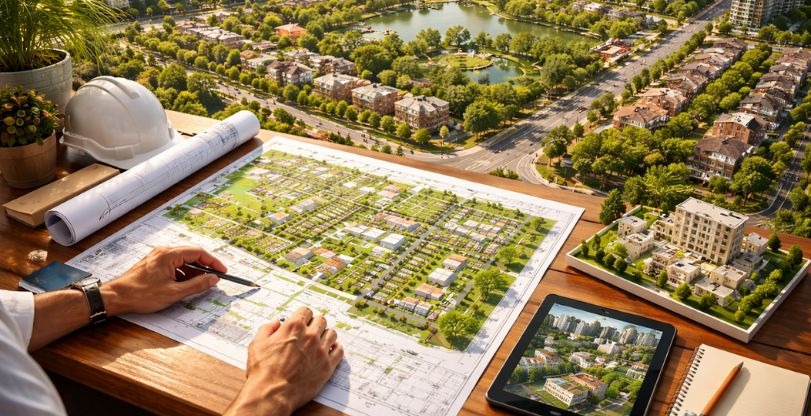
A skilled township planner does much more than divide land into plots and roads. Township planning is about creating a living ecosystem where homes, green spaces, infrastructure, and commercial areas function together in harmony. It requires vision, technical expertise, and a deep understanding of how people actually live, move, and interact within a community.
At Ideaform Design Studio, township planning is approached as a long-term responsibility rather than a short-term development task. Every successful township must balance aesthetics, practicality, sustainability, and future growth.
Understanding the Role of a Township Planner
A township planner is responsible for shaping entire communities. This includes residential layouts, circulation systems, public amenities, infrastructure integration, and environmental planning. Unlike individual building design, township planning focuses on the larger picture of how all elements connect and support daily life.
A well-planned township considers:
Road hierarchy and traffic flow
Open spaces and parks
Drainage and utilities
Commercial and social infrastructure
Safety and accessibility
Future expansion possibilities
When planning is done thoughtfully, residents experience convenience without congestion and openness without isolation.
Why Thoughtful Township Planning Matters
Rapid urban growth has led to many developments that look impressive initially but struggle with traffic bottlenecks, poor drainage, or a lack of community spaces over time. This is often the result of short-sighted planning.
A professional township planner anticipates long-term needs. Schools, healthcare access, green areas, and social spaces are integrated from the beginning rather than added later as afterthoughts.
Creating Functional Road Networks
One of the most critical aspects of township design is circulation. Roads should be wide enough to handle current and future traffic while maintaining pedestrian safety. Clear zoning between residential streets and commercial movement ensures smoother living conditions.
Integrating Green Spaces
Open areas are not decorative extras; they are essential for mental well-being and environmental balance. Parks, walking paths, and landscaped buffers enhance quality of life and increase property value.
At Ideaform Design Studio, green planning is treated as a structural element, not just an aesthetic enhancement.
Planning for Infrastructure and Services
A township planner must coordinate closely with engineers and service consultants. Water supply, sewage systems, stormwater drainage, electrical networks, and waste management systems must be strategically placed and scalable.
Drainage and Environmental Considerations
Ignoring natural slopes and water flow can lead to long-term maintenance issues. Proper grading, rainwater harvesting systems, and sustainable water management strategies protect both residents and the environment.
Utility Distribution and Accessibility
Well-planned underground services reduce visual clutter and improve safety. Accessibility for maintenance without disrupting daily life is also carefully considered.
Balancing Residential and Commercial Zones
A successful township maintains a healthy mix of residential comfort and commercial convenience. Grocery stores, clinics, recreational areas, and community centers should be within reachable distance without disturbing residential calm.
Zoning with Sensitivity
A township planner must ensure that commercial zones do not create noise or traffic challenges for residential clusters. Proper buffering, landscaping, and access planning are essential.
Encouraging Community Interaction
Spaces like plazas, clubhouses, and shared recreational areas help build a sense of belonging. Township planning is not just about buildings; it is about fostering community connections.
Sustainable and Future-Ready Planning
Modern township planning goes beyond immediate needs. It considers environmental sustainability and adaptability to future growth.
Energy Efficiency and Climate Response
Orientation of roads, building plots, and open spaces affects sunlight, ventilation, and energy consumption. Smart orientation can reduce heat gain and improve comfort levels naturally.
Scalability and Expansion
A township planner must anticipate population growth. Provisions for future expansion of roads, amenities, and infrastructure prevent overcrowding and redevelopment costs later.
At Ideaform Design Studio, long-term resilience is always part of the master planning process.
The Human-Centric Approach to Township Planning
Technical drawings and zoning maps are important, but understanding human behavior is equally critical. People value privacy, accessibility, security, and connection.
Designing for Everyday Life
Footpaths should be comfortable and shaded. Children should have safe play areas. Elderly residents should find accessible routes. Commercial spaces should feel integrated, not intrusive.
Safety and Visibility
Clear sightlines, adequate lighting, and thoughtful layout improve safety and reduce isolated zones.
A good township planner combines technical precision with empathy for future residents.
Challenges in Township Development
Township projects often face challenges such as irregular land shapes, regulatory approvals, environmental constraints, and budget limitations.
Navigating Regulations
Compliance with zoning laws, environmental guidelines, and local authority requirements requires careful documentation and coordination.
Managing Cost Without Compromising Quality
Efficient land utilization and smart infrastructure planning help maintain cost balance while preserving quality standards.
At Ideaform Design Studio, planning decisions are guided by both creativity and practicality.
The Long-Term Impact of Quality Township Planning
A well-planned township remains functional and desirable for decades. It supports healthy living, encourages social interaction, and adapts to changing needs.
Property value stability, resident satisfaction, and lower maintenance costs are direct outcomes of strategic township planning.
When the foundation is thoughtfully designed, the entire community benefits not just at launch, but for generations.
Conclusion
A township planner plays a pivotal role in shaping how communities grow and thrive. Beyond layouts and infrastructure, township planning is about creating environments where people feel connected, secure, and comfortable.
At Ideaform Design Studio, township planning is approached with vision, responsibility, and a commitment to long-term sustainability. Every master plan is designed to balance functionality, aesthetics, environmental care, and community well-being.
A township is not just a development project. It is a living framework for daily life, and thoughtful planning makes all the difference.
Follow us
Studio
hello@ideaformdesignstudio.com
+91 99930 24999
Contact us
Copyright © 2026 Ideaformdesignstudio. All Rights Reserved |Development & Digital Marketing ❤️ by 10XD
architectural firm in indore | top architecture firm in indore | top architect firm in indore |top architect in indore | architecture company in indore | best architectural firm in indore |best architects in indore | architects in indore madhya pradesh | famous architect in indore |indore best architect | best architect for home design | best residential architect | award winning residential architect | best residential architecture firm | architects for residential homes |residential architect services | best home architect | home builders | residential architecture firm |architects for commercial buildings | architect commercial building | commercial building design |best commercial building design | best commercial architects | architects for commercial projects |commercial architectural services | commercial architectural services |township design | landscape architect | residential landscape architect | best landscape designer | best landscape architect | township planner |landscape architect residential | landscape architect firm | landscape designer | airport architect | urban space architects | public place design | best interior designer in indore | indore best interior designers | interior design company in indore interior design firms in indore | top interior designer in indore | interior design company | interior designer in indore | interior design firm best interior design company | best interior designer indore | interior designers residential | home designer and architect | interior design for residential house home designer | residential designers | residential interior design | interior designers for office space | commercial interior designer | corporate interior designer | commercial interior design company | corporate interior design firm