
Designing the Future: The Role of Innovation in Architecture & Interior Design
Architecture and interior design have always reflected the way people live, work, and interact with their surroundings. But today, the industry is experiencing a powerful transformation. Innovation is no longer an option; it has become the driving force behind modern design.
4/21/20263 min read
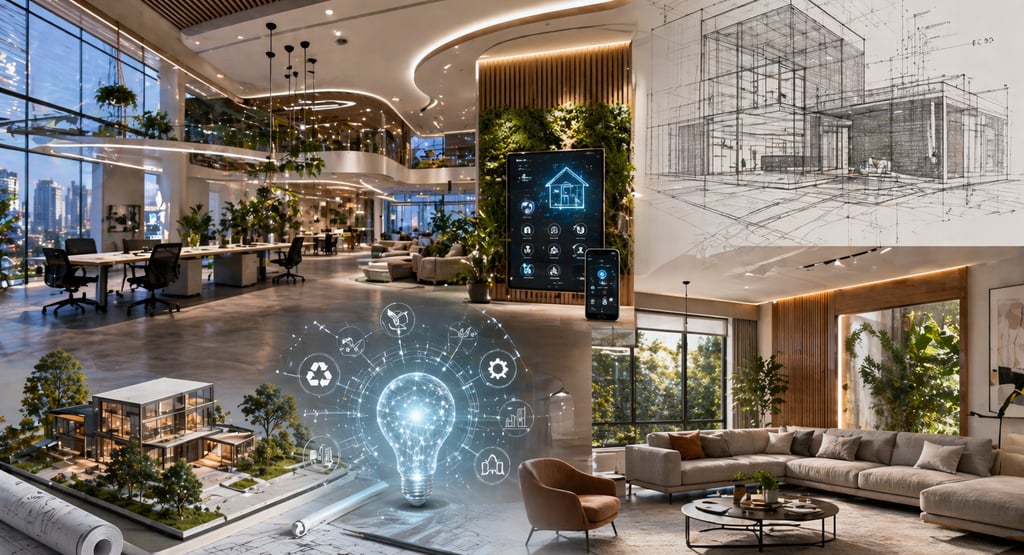
Architecture and interior design have always reflected the way people live, work, and interact with their surroundings. But today, the industry is experiencing a powerful transformation. Innovation is no longer an option; it has become the driving force behind modern design.
From smart homes and sustainable materials to flexible workspaces and technology-integrated interiors, innovation is reshaping how spaces are imagined and experienced. At IdeaForm Design Studio, innovation is viewed not simply as a trend but as a mindset, one that blends creativity, functionality, and human comfort to create environments prepared for the future.
Understanding Innovation in Architecture & Interiors
Innovation in design goes far beyond aesthetic experimentation. It involves rethinking traditional approaches and developing smarter solutions that improve everyday living.
Modern innovation focuses on:
Enhancing user experience
Improving spatial efficiency
Integrating technology seamlessly
Promoting sustainability
Creating adaptable environments
Today’s spaces must respond to changing lifestyles rather than remain static structures.
Why Innovation Matters in Modern Design
Changing Lifestyles Require Flexible Spaces
The way people use spaces has evolved dramatically. Homes are now workplaces, relaxation zones, and social environments all at once. Offices encourage collaboration instead of rigid hierarchies.
Innovative design allows spaces to transform according to need through movable partitions, multifunctional furniture, and adaptive layouts.
Technology Is Redefining Design Possibilities
Technology has become deeply integrated into architecture and interiors. Smart automation systems control lighting, temperature, security, and energy consumption, improving both comfort and efficiency. Designers today must balance technology with aesthetics, ensuring that innovation enhances the experience without overwhelming the space visually.
Sustainability Drives Creative Thinking
Environmental responsibility is one of the strongest forces behind innovation.
Architects and interior designers are exploring:
Energy-efficient building strategies
Natural ventilation planning
Eco-friendly materials
Reduced construction waste
Passive cooling techniques
Sustainable innovation not only protects the environment but also creates healthier living environments.
Innovative Architecture: Building Smarter Structures
Human-Centric Planning
Modern architecture prioritizes people rather than just structures. Buildings are designed around natural movement, daylight exposure, and emotional comfort. Spaces that allow openness, greenery, and natural light significantly improve well-being and productivity.
Adaptive and Modular Construction
Innovation has introduced modular construction methods that allow faster project execution with greater precision. Prefabricated components reduce waste, improve quality control, and allow future modifications.
This flexibility makes buildings more resilient to changing needs.
Smart Building Design
Smart architecture integrates digital systems directly into infrastructure. Sensors monitor energy usage, air quality, and lighting conditions, creating intelligent environments that respond automatically to occupants.
These systems improve efficiency while reducing operational costs.
Innovation in Interior Design
Space Optimization
Urban living often demands maximum functionality within limited space. Innovative interior planning ensures that every square foot serves a purpose without feeling crowded.
Hidden storage, convertible furniture, and open layouts help small spaces feel expansive and organized.
Material Innovation
Interior design today explores materials that combine beauty with performance.
Examples include:
Acoustic panels improve sound comfort
Sustainable wood alternatives
High-performance surfaces resistant to wear
Recyclable and low-impact finishes
Material innovation allows designers to achieve durability without sacrificing aesthetics.
Lighting as a Design Technology
Lighting is no longer just functional; it shapes mood and behavior. Innovative lighting design uses layered illumination-ambient, task, and accent lighting to create adaptable atmospheres throughout the day.
Smart lighting systems also support circadian rhythms, enhancing comfort and productivity.
Innovation in Commercial and Workplace Design
Workspaces have transformed significantly in recent years. Companies now recognize that the environment directly influences creativity, collaboration, and employee satisfaction.
Innovative workplace interiors include:
Flexible seating arrangements
Collaborative zones
Quiet focus areas
Wellness rooms
Hybrid meeting environments
Such designs promote both efficiency and human connection.
The Role of Creativity and Technology Together
True innovation happens when creativity meets technology. While digital tools like 3D visualization, virtual walkthroughs, and parametric design enhance precision, the human element remains essential.
Design innovation succeeds when technology supports imagination rather than replacing it.
At IdeaForm Design Studio, innovation is guided by understanding client aspirations and translating them into practical, inspiring spaces.
Innovation and User Experience
Design today is measured by experience. A successful space feels intuitive; movement flows naturally, lighting feels comfortable, and materials create emotional warmth.
Innovative interiors anticipate user needs before they arise. This proactive approach transforms spaces into environments that support lifestyle, productivity, and well-being.
Future Trends Shaping Architecture & Interiors
Looking ahead, innovation will continue redefining design through:
Smart homes integrated with AI technologies
Biophilic design connecting interiors with nature
Sustainable urban developments
Flexible mixed-use spaces
Digital fabrication and advanced construction methods
The future of design lies in adaptability; spaces must evolve alongside the people who use them.
Challenges Innovation Solves
Innovation addresses many traditional design limitations:
Limited space in urban environments
Rising energy costs
Changing work patterns
Environmental concerns
Need for personalized environments
By solving real-world problems creatively, innovation transforms architecture into a powerful tool for better living.
Innovation as a Long-Term Investment
Innovative design is not just visually appealing; it adds measurable value.
Benefits include:
Increased property value
Improved operational efficiency
Reduced maintenance costs
Higher occupant satisfaction
Future-ready infrastructure
Investing in innovative architecture and interiors ensures that spaces remain relevant for years to come.
Conclusion: Designing Spaces That Evolve With Life
Architecture and interior design are entering an era where innovation defines success. Spaces are no longer static environments; they are dynamic systems designed around human needs, technological advancement, and sustainable responsibility.
At IdeaForm Design Studio, innovation is approached thoughtfully, combining creativity, functionality, and forward-thinking design strategies to craft spaces that inspire, perform, and endure.
Because the future of design is not just about creating beautiful spaces, it is about creating intelligent environments that grow with the people who inhabit them.
Follow us
Studio
hello@ideaformdesignstudio.com
+91 99930 24999
Contact us
Copyright © 2026 Ideaformdesignstudio. All Rights Reserved |Development & Digital Marketing ❤️ by 10XD
architectural firm in indore | top architecture firm in indore | top architect firm in indore |top architect in indore | architecture company in indore | best architectural firm in indore |best architects in indore | architects in indore madhya pradesh | famous architect in indore |indore best architect | best architect for home design | best residential architect | award winning residential architect | best residential architecture firm | architects for residential homes |residential architect services | best home architect | home builders | residential architecture firm |architects for commercial buildings | architect commercial building | commercial building design |best commercial building design | best commercial architects | architects for commercial projects |commercial architectural services | commercial architectural services |township design | landscape architect | residential landscape architect | best landscape designer | best landscape architect | township planner |landscape architect residential | landscape architect firm | landscape designer | airport architect | urban space architects | public place design | best interior designer in indore | indore best interior designers | interior design company in indore interior design firms in indore | top interior designer in indore | interior design company | interior designer in indore | interior design firm best interior design company | best interior designer indore | interior designers residential | home designer and architect | interior design for residential house home designer | residential designers | residential interior design | interior designers for office space | commercial interior designer | corporate interior designer | commercial interior design company | corporate interior design firm